Imagine this: Someone suddenly collapses — no movement, no breathing. Panic sets in. But here's the truth: you can save their life if you know how to perform CPR. CPR is an emergency procedure that keeps blood and oxygen flowing to the brain and heart when someone's heart has stopped beating. It buys precious time until medical professionals arrive.
🧠 What is CPR?
Understanding Cardiopulmonary Resuscitation
CPR doesn't restart the heart by itself — it keeps oxygen flowing to the brain and vital organs until a defibrillator or medical team can restore a normal rhythm. That's why those first few minutes matter more than anything else.
Why CPR Works
When you perform chest compressions, you're manually pumping blood through the heart to the brain and other vital organs. This prevents brain damage and keeps the person alive until advanced medical help arrives.
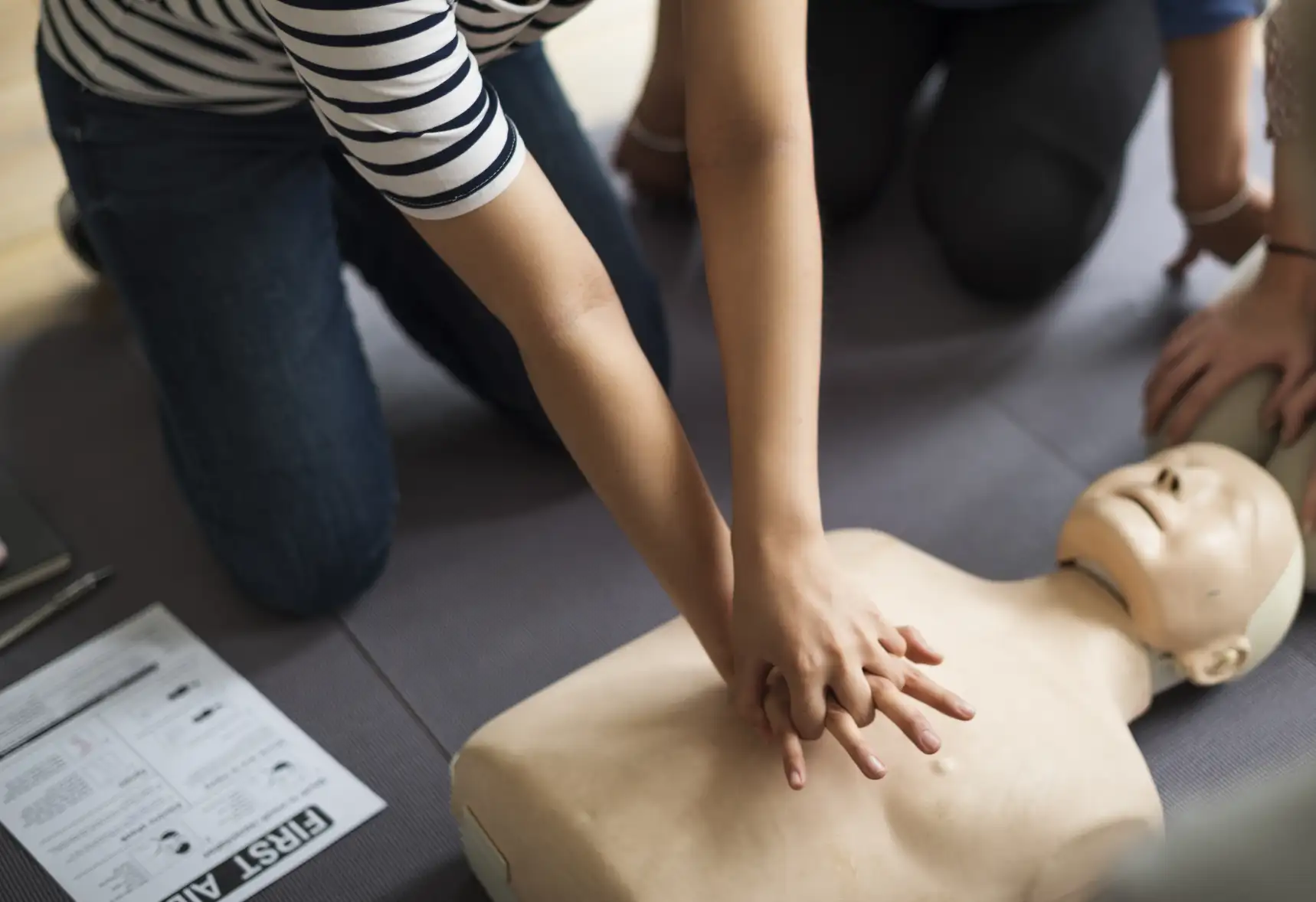
🆘 Step-by-Step CPR Guide
Your Action Plan
Follow these steps carefully. Remember: Any attempt at CPR is better than no attempt at all.
Check for Safety
Before doing anything: Make sure the area is safe — no fire, electricity, or moving traffic. You can't help if you get hurt too. Ensure the scene is secure before approaching.
Check for Response
Gently tap the person's shoulders and shout: "Are you okay? Can you hear me?" If there's no response: Shout for help. Ask someone nearby to call emergency services (e.g., 112 or 999). If you're alone, call first before starting CPR (especially for adults).
Check for Breathing
Tilt the head slightly back and lift the chin (this opens the airway). Look for chest movement, listen for breath sounds, and feel for air on your cheek for up to 10 seconds. If they're not breathing normally (gasping doesn't count), start CPR immediately.
Begin Chest Compressions
Place the heel of one hand on the center of the chest (between the nipples). Place your other hand on top, interlocking your fingers. Keep your arms straight and shoulders directly above your hands. Press hard and fast — at least 5 cm (2 inches) deep.
Give Rescue Breaths (If Trained)
After every 30 compressions, give 2 rescue breaths. Tilt the head back and lift the chin. Pinch the nose shut. Cover their mouth completely with yours and blow steadily for 1 second. Watch for the chest to rise. Give 2 breaths, then go back to compressions.
Use an AED (If Available)
An AED (Automated External Defibrillator) is a portable device that can restart the heart. Turn it on and follow the voice prompts. Attach the pads to the chest as shown on the device. Make sure no one is touching the person during shock delivery. Resume CPR immediately after the shock.
Continue Until Help Arrives
Don't stop unless: The person starts breathing normally, You are physically exhausted, or Professional help takes over. Even if you're tired or scared — doing something is far better than doing nothing.
🎵 Compression Rhythm & Rate
Finding the Right Pace
Aim for a rate of 100–120 compressions per minute — about the beat of the song "Stayin' Alive" by the Bee Gees.
🎵 Stayin' Alive Rhythm 🎵
Ah, ha, ha, ha, stayin' alive, stayin' alive
Compress to this beat: 1-2-3-4, 1-2-3-4...
💡 Pro Tip
Counting out loud ("One, two, three...") helps keep rhythm and focus. Let the chest fully rise between compressions. Don't lean on the chest between pushes.
👶 CPR for Different Age Groups
Adjusting Technique by Age
CPR techniques vary slightly for infants, children, and adults. Here's what you need to know for each age group.
👨🦳 Adults & Older Children
- Hands: Two hands interlocked
- Depth: 5-6 cm (2-2.4 inches)
- Rate: 100-120/minute
- Compression:Breath: 30:2
- Call first then start CPR
🧒 Children (1-8 Years)
- Hands: One or two hands
- Depth: 5 cm (2 inches)
- Rate: 100-120/minute
- Compression:Breath: 30:2
- CPR first for 2 minutes then call
👶 Infants (Under 1 Year)
- Hands: Two fingers
- Depth: 4 cm (1.5 inches)
- Rate: 100-120/minute
- Compression:Breath: 30:2
- CPR first for 2 minutes then call
- Cover both nose and mouth for breaths
🤲 Hands-Only CPR
Compression-Only Option
If you're not trained or uncomfortable giving rescue breaths — just continue chest compressions only without stopping.
When to Use Hands-Only CPR
Hands-only CPR is recommended for untrained bystanders or those uncomfortable with rescue breathing. Continuous compressions are better than no CPR at all. The oxygen remaining in the blood will continue to circulate.
Effectiveness
Studies show that hands-only CPR can be as effective as conventional CPR in the first few minutes after cardiac arrest in adults. The most important thing is to act immediately.
✅ CPR Do's and Don'ts
Critical Actions to Remember
Proper CPR technique can make the difference between life and death. Follow these guidelines.
✅ DO These Things
- Check for safety before approaching
- Call emergency services immediately
- Push hard and fast (100-120/min)
- Allow full chest recoil between compressions
- Use an AED if available
- Continue until help arrives or you're exhausted
- Switch with another person if available
- Use the beat of "Stayin' Alive" for rhythm
❌ DON'T Do These Things
- Don't delay starting CPR
- Don't stop compressions for more than 10 seconds
- Don't bend your arms during compressions
- Don't press on the stomach or rib cage
- Don't give up if you hear cracking sounds
- Don't remove AED pads once applied
- Don't lean on the chest between compressions
- Don't panic — your actions can save a life
🛑 When to Stop CPR
Knowing When to Continue or Stop
CPR is physically demanding. Know when it's appropriate to continue or stop resuscitation efforts.
✅ Continue CPR When:
- The person is not breathing normally
- No pulse is detected
- Emergency services have not arrived
- You still have physical strength
- An AED advises to continue
🛑 Stop CPR When:
- The person starts breathing normally
- Emergency medical help takes over
- You are physically exhausted and cannot continue
- The scene becomes unsafe
- An AED advises "no shock" and no signs of life
🔑 Key Takeaways
CPR Essentials
- Check safety before approaching any emergency scene
- Check responsiveness and breathing — look, listen, feel
- Call for help immediately or have someone else call
- Start chest compressions (100-120/min, 5-6 cm deep for adults)
- Add rescue breaths (30:2 ratio) if trained and comfortable
- Use an AED if available — follow voice prompts
- Continue until help arrives or you're physically exhausted
- Hands-only CPR is better than no CPR at all
- Different techniques for adults, children, and infants
- Your actions matter — you can double or triple survival chances
🔚 Be Someone's Hero
Your Courage Saves Lives
CPR is one of the simplest yet most powerful lifesaving skills anyone can learn. You don't need to be a doctor — just courage, calmness, and quick action.
Every second counts, and with CPR, your hands can literally keep a heart beating. By learning these steps, you're prepared to be the difference between life and death for someone in cardiac arrest. Your knowledge and willingness to act could save a family member, friend, or stranger.